Dementia Experts for 
Involvement Network 
Young Dementia

Do you want to involve people diagnosed with younger onset dementia (YOD) in co-designing and producing your project?

Our National Network of people with YOD who are trained to be involved in research, innovation and consultation activities has been established.

Our members, who were diagnosed under the age of 65, are available as Public and Patient Involvement and Engagement (PPIE) representatives as individuals, a regional group, or as the whole National Network.

If you would like to talk to the members and arrange to meet with them, please contact DEFIN@academyfordementia.org.

In partnership with:

Dementia in the Workplace Conference

Dementia in the Workplace Conference 25th September 2025

Our recent conference explored how keeping people with dementia in work for as long as possible and supporting their carers benefits both people and pound.

The event highlighted to business leaders how retaining staff with dementia can save time and money and benefit employees.

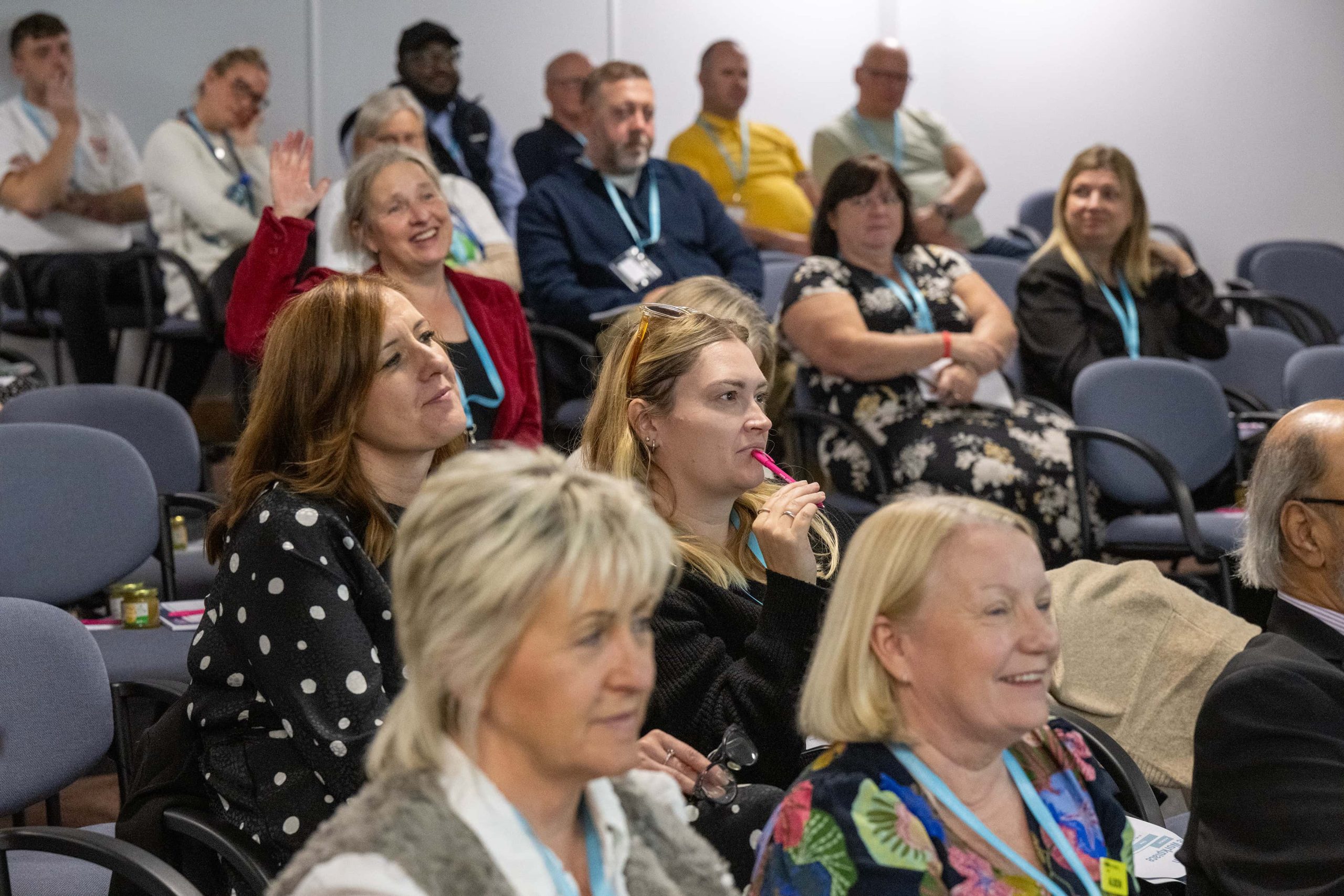
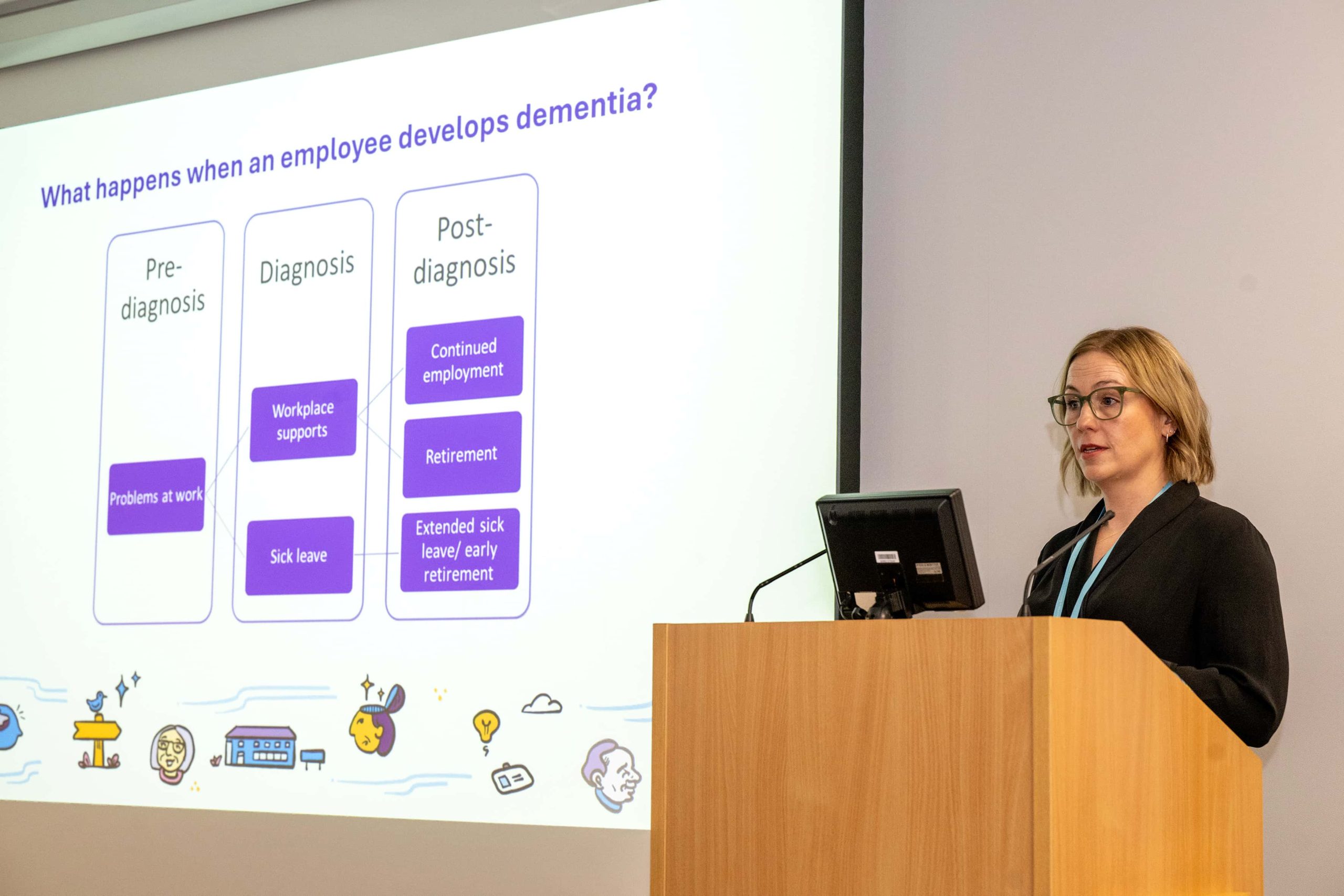
Held on Thursday 25 September, the Dementia in the Workplace Conference heard first-hand accounts from experts with personal experience of juggling work with a diagnosis of dementia and academics who outlined their research in this area.
Dementia is an umbrella term for various progressive brain conditions that impair memory, thinking, language, and mood.
There are around 1 million people with a diagnosis of dementia in the UK and around the same number of people caring for them; the number is expected to double by 2050.

Dementia is estimated to cost UK businesses £3.2 billion annually, based on figures released in 2024, with the primary driver being employees having to leave work or reduce their hours to care for loved ones.
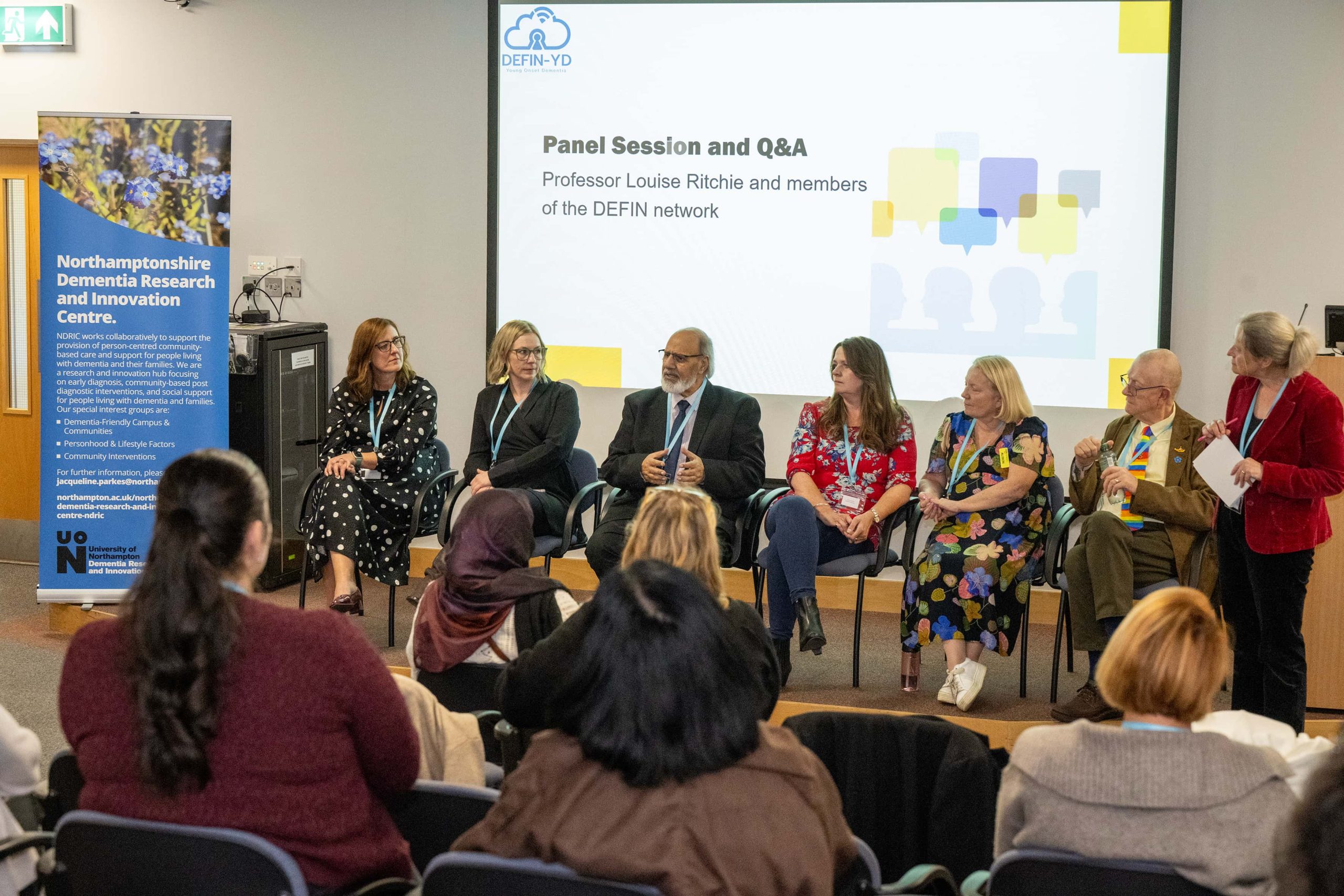
Dementia in the Workplace was co-developed by the Academy for Dementia Research and Education, Dementia Experts for Involvement Network-Young Dementia (DEfIN-YD), University of Northampton, and Magna Park Estate (where the event was held).

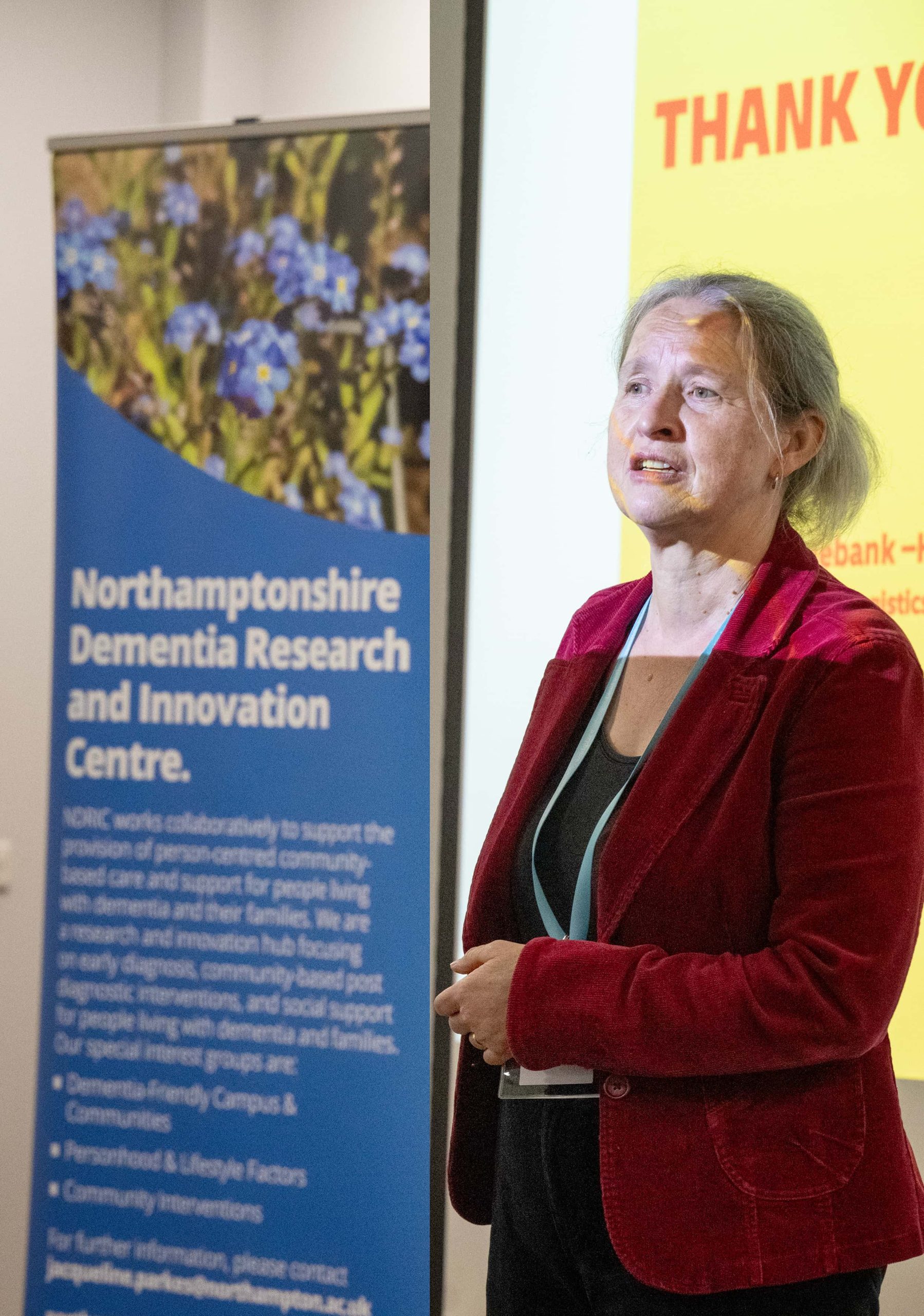
UON dementia projects lead, Professor Jackie Parkes, outlined the challenges for employers when supporting staff with a diagnosis of the condition.

The keynote speech came from Professor Louise Ritchie from Alzheimer Scotland, Centre for Policy and Practice. Louise talked about what employer support helps employees with a diagnosis of dementia from her research in this area.
The busy agenda included personal reflections from people with dementia and carers, who shared moving stories of love, loss and learning as they navigated the challenges dementia has presented to them.
One of those guests, Claire Davies, a PhD Student at UON (pictured above, bottom left), is turning her experience of caring for a loved one with dementia and her former career in financial services into academic research. Her PhD is exploring the impact of transitioning to becoming a carer, which may involve those of working age. It is planned to complete in September 2027.

Claire shared what led her from finance to higher education: “My life changed when my dad received his diagnosis of dementia and I became a working age carer. As much as I loved him and threw myself into making sure he was OK, I was still employed full-time, so needed support myself.

“I had worked for a bank for 37 years, fittingly enough in a role focusing on vulnerable employees, but I felt what I needed was not reflected in our staff guidance and policies.

“What I discovered was that a huge number of people were in the same position, leaving their jobs – especially women in midlife – because of the lack of managerial understanding about what support they need. Valuable skilled staff with institutional knowledge end up leaving jobs they love and this costs businesses money and time in terms of rehiring and training staff.

“Before my career change, I updated staff policies and created training and education programmes for those impacted by dementia that benefitted both staff and customers, one half of which is my legacy.

“The other half is what that led to with my PhD research. I hope that the insights from my study will not only raise awareness and reduce stigma related to dementia, but also inform future services, support and education for unpaid dementia carers and towards the maintenance of positive health and wellbeing.”

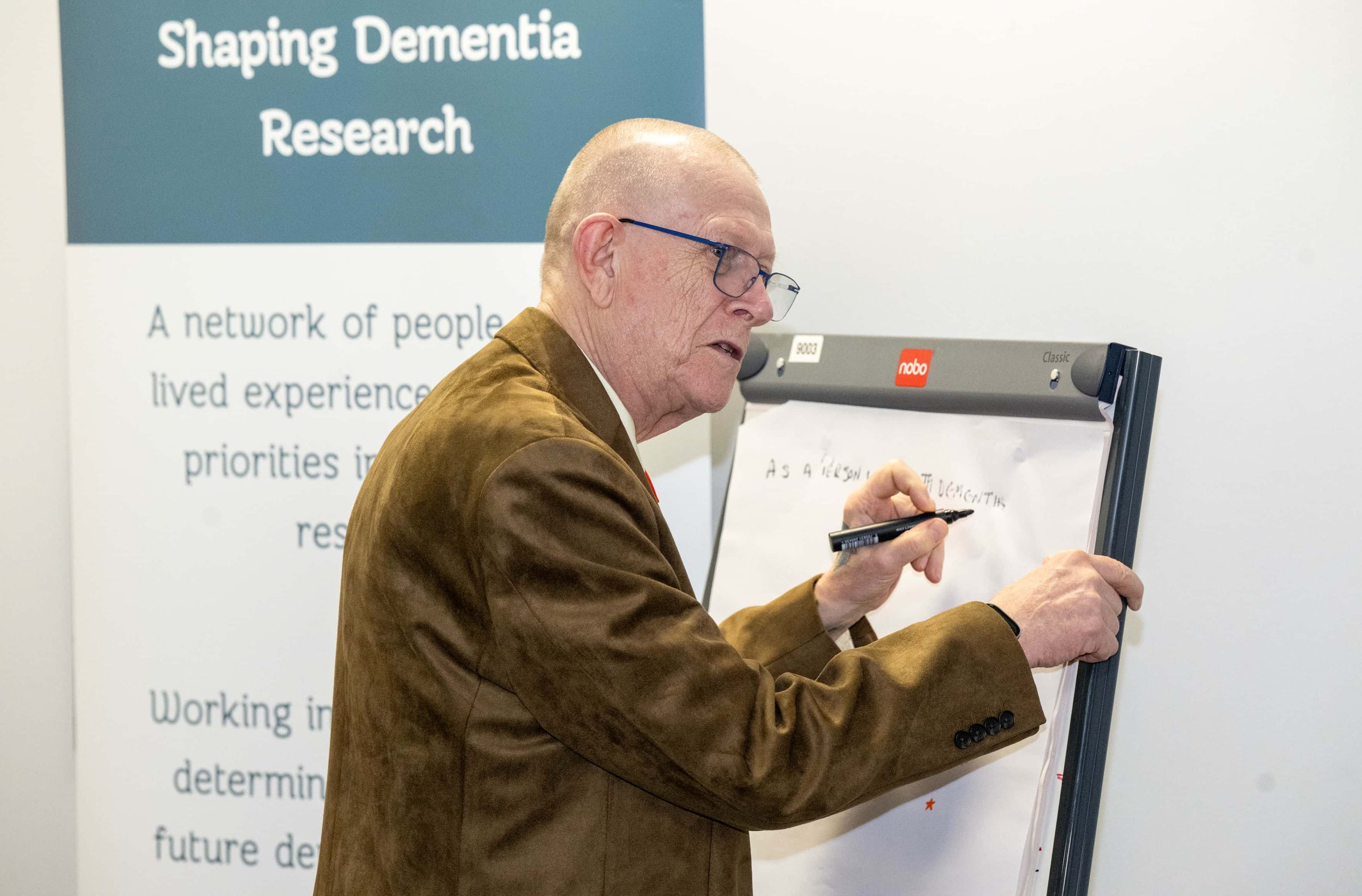
We were also able to hear from DEFIN-YD members Pete and Maq, who are both living with dementia and presented eloquently about their experiences of coping with work after their diagnoses. Such insightful speakers taught us all how valuable their contribution to work could be if employers were equipped to support them to continue.

Many valuable lessons were learned by all who attended and we look forward to working together to enable employers to support their staff with a diagnosis of dementia and those caring for them better in the future. Something we are all aware will be for the benefit of employers and employees alike.